
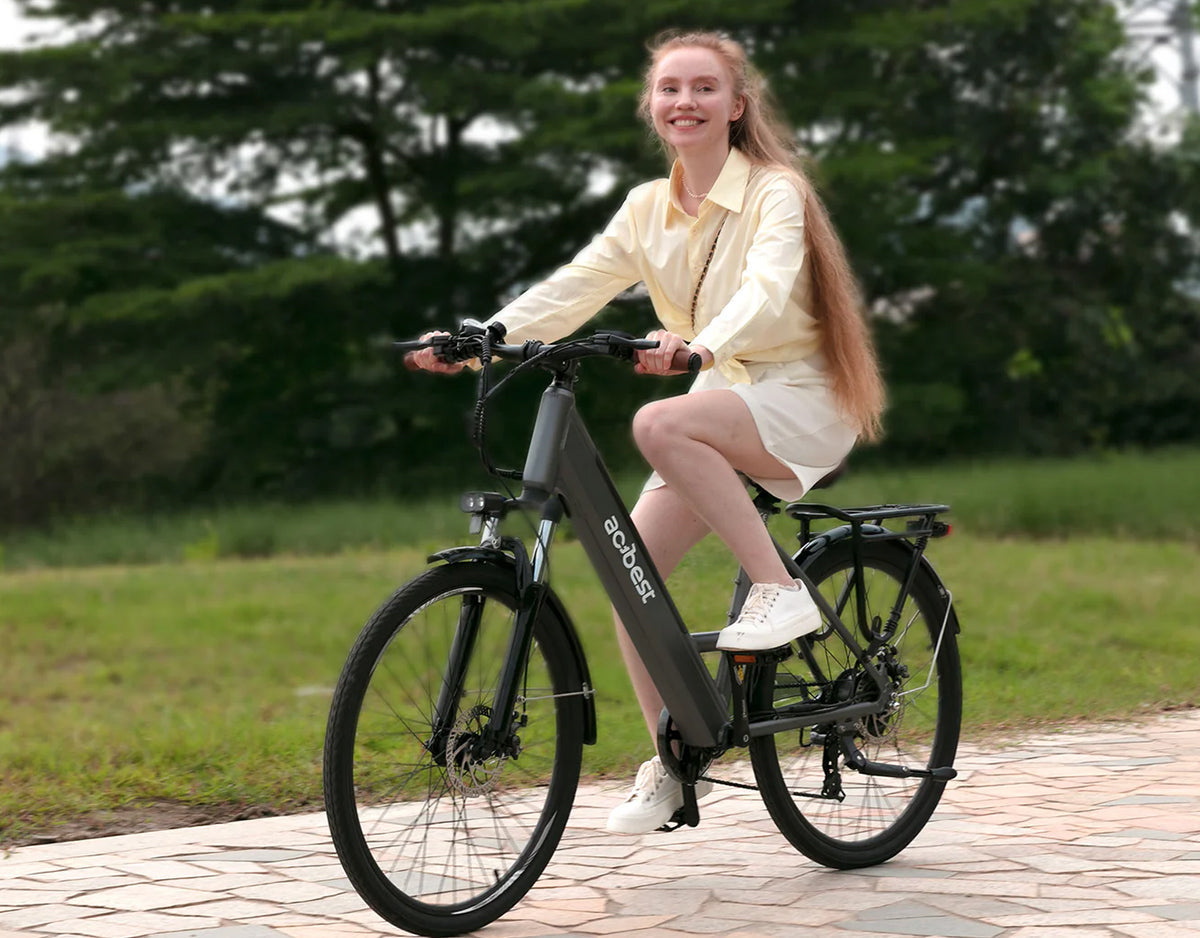
Commuting in the city isn't what it used to be. Traffic is getting worse, you can't rely on public transport, and the costs keep creeping up. These are just some of the reasons why more people are now commuting on electric bikes. But finding the best electric bike for commuting isn't as simple as it sounds.
So, which ebike makes sense for city riding? When you start comparing models, you'll come across overpriced ones and others that aren't up to the job for daily use.
In this guide, we'll break down the best electric bikes for city commuting, focusing on models that are practical, reliable, and realistically priced for everyday use.
Quick Answer: Best Electric Bikes for City Commuting
If you just want the short version, here are the top picks:
• Best overall: actbest Core 2.0 Commuter Ebike
• Best budget option: actbest Core ST
• Best for hills and longer commutes: actbest Race Electric Bike
• Best folding option: actbest Mars Foldable Ebike
If you want to understand why these stand out, keep reading.
What Makes a Good Commuter Ebike?
Not all electric bikes are built for city use. A good commuter needs to have a few specific characteristics. Performance is great, but it shouldn't be the priority here. Here's what you need to know:
Comfort
City riding means you often encounter stop-start traffic, uneven roads, and spend quite a lot of time in the saddle. An upright riding position and stable geometry make all this more bearable and more comfortable.
Range
Most commuters don't need an electric bike with a massive range. In most cases, all you need is a reliable battery with sufficient capacity to power your round-trip every day.
Motor Performance
Having lots of power sounds great, but for city riding, you're better off with an ebike that gives you consistent acceleration and predictable assistance. Jerky or aggressive acceleration can become tiresome.
Reliability
A commuter ebike needs to work every day. Reliable components and a simple, dependable setup are often better than complex high-end systems.
Practical Features
Integrated lights, racks, and fenders make daily use much easier. These are not "extras", they're essential for commuting. You don't want to be left wanting when you ride every day in all conditions.
Best Electric Bikes for City Commuting
actbest Core 2.0 Commuter — Best Overall

For most riders, the best commuter ebike is the one that balances price, performance, and usability, and that's sexactly where actbest stands out.
The actbest Core 2.0 is built with everyday riding in mind:
• Enough range for daily commuting
• A motor that handles stop-start traffic comfortably
• A practical design that doesn't overcomplicate things
What makes it stand out is value. You're not paying for unnecessary features, just the things that matter for daily use.
Why it works for commuting:
• Comfortable for daily rides
• Simple and reliable
• Affordable compared to premium brands
Best for: Most city riders who want a dependable, cost-effective ebike
actbest Core ST — Best Budget Commuter Ebike

If you're new to ebikes or just want something affordable, the actbest Core ST is a practical entry point into city commuting.
This bike handles the essentials without competing with higher-end models. It is designed for short to medium trips, providing a comfortable and practical solution for regular commutes at a lower upfront cost.
The step-through frame also makes it easier to use, especially in stop-start city traffic.
Why it works for commuting:
• Low upfront cost
• Easy to ride and manage
• Well-suited to short daily commutes
Best for: First-time riders and light commuters
actbest Race — Best for Hills and Longer Commutes

If your commute is longer or includes hills, you'll need something with more power and capability. That's where the actbest Race stands out.
Unlike standard commuter ebikes, the actbest Race is built for more demanding rides. It has a more powerful 750W motor and a more capable overall specification, which makes a noticeable difference when climbing or riding longer distances.
While it's a more powerful bike, it still works well in the city. You're getting extra performance without losing the practicality needed for daily commuting.
Why it works for commuting:
• Stronger assistance for hills
• Better suited to longer rides
• Higher overall performance
Best for: Riders with longer commutes, hills, or who want higher performance.
actbest Mars Folding Electric Bike — Best Folding Option

If storage space is limited or you need a bike that fits around your lifestyle, a folding ebike is one of the most practical solutions for city commuting.
The actbest Mars folds down to a compact size for easy storage, making it ideal for people who live in apartments, work in offices, or need to carry their ebike in a car or on public transport. Despite its compact design, it still has enough performance for short daily trips.
This makes it a strong option for riders who need the most convenience and flexibility, with a decent range.
Like most folding bikes, there are some trade-offs. Smaller wheels and a more compact frame can make a bike feel slightly less stable than a full-size commuter bike. But for short urban trips, the practicality more than makes up for it.
Why it works for commuting:
• Foldable design for easy storage
• Ideal for small spaces and city living
• Practical for short, daily commutes
Best for: Riders who need portability, storage flexibility, and convenience
How to Choose the Right Electric Bike for City Commuting
When choosing the right electric bike for city commuting, carefully consider how and where you ride. It's tempting to pick the most powerful or most expensive option, but you might be making the wrong decision. Here's what you need to consider before buying:
Short vs Long Commutes
If your commute is relatively short, you don't need a large battery or high-end components. A simple, reliable ebike will do the job. For longer commutes, range becomes more important, and it's worth choosing a model with a large battery. However, large batteries add weight, which you may find awkward, especially if you don't need them. They also add to the bike's initial price.
Flat vs Hilly Cities
In flatter cities, most commuter ebikes will perform well. If your route is hilly, you'll benefit from a more powerful motor that responds well to your input.
Ease of Use
City riding involves frequent stops, traffic lights, and tight spaces. A bike that's easy to get on and off, easy to control, and predictable to ride will make your daily commute much more enjoyable. This is why ebikes with step-through frames are popular with commuters.
How Often You Ride
If you only ride occasionally, a budget-friendly ebike is usually enough. If you rely on your ebike every day, it's worth choosing something more comfortable and durable.
Why You Don't Need to Overspend on a Commuter Ebike
One of the biggest mistakes people make is assuming that a more expensive ebike is automatically better for commuting.
In reality, most people don't need a high-performance ebike for city riding. It becomes obvious when you think about it, you're not tackling rough trails or pushing the bike to its limits, you're riding through traffic, using bike lanes, and covering short to medium distances.
This is why high-end features aren't necessary. Expensive suspension systems, ultra-light carbon frames, and the most powerful motors seem impressive. However, these things don't make that much difference for most commuters.
The things that really make the best commuter ebikes are reliability, comfort, and practicality. You need a bike that works every day, feels stable in traffic, and fits into your routine.
That's why more affordable commuter ebikes often make more sense. They have features that improve your daily ride, rather than adding cost for performance you're unlikely to use.
How Electric Bikes Compare to Other Commuting Options
Compared to driving, riding an ebike removes many ongoing costs and frustrations. There's no fuel to pay for, no parking fees to worry about, and far less time lost sitting in traffic. Compared to public transport, you're not tied to schedules or delays, and you're not stuck in crowded spaces. You travel on your own terms.
Even a relatively affordable ebike can offset regular commuting costs, especially if you use it consistently.
This is one of the main reasons more people are moving toward electric bikes for city travel; they change the economics of getting around.
Where to Find a Commuter Ebike That Fits Your Needs
If you're starting to get a clearer idea of what kind of ebike suits your commute, it's worth looking at a few ebikes to compare features and pricing.
Seeing what's available at different price points makes it much easier to choose a bike that fits your needs and budget. actbest's collection of electric commuter bikes is a great place to start.
Final Thoughts
So, what is the best electric bike for city commuting?
For most riders, it comes down to choosing something that is comfortable, reliable, and suited to their daily routine.
A budget-friendly ebike can handle short trips and occasional use without any issues. A slightly more expensive commuter model offers a better experience for regular riding. And while premium bikes offer more refinement, they're not always necessary for regular commuting.
The key is to think about how you actually ride, rather than getting distracted by features you may never use.
FAQs
What is the best electric bike for city commuting?
The best commuter ebike is one that fits your daily needs. For most riders, a practical and affordable model offers the best balance of comfort, range, and reliability.
How much should I spend on a commuter ebike?
Most commuter ebikes fall between $500 and $2,500. Spending more only makes sense if you ride frequently or need specific features.
Are cheap ebikes good for commuting?
Yes, as long as they match your usage. Budget ebikes are ideal for short, light commutes but may not be as suitable for heavy daily use.
How far can a commuter ebike go?
Most commuter ebikes can travel 20-60 miles per charge, depending on battery size, terrain, and riding style.
Share:
Real Options for a Daily Commuter Ebike in 2026
Do You Need A License For An Electric Bike